ADVANCED TACTICS, ESSENTIAL RIGS, AND MODERN BAITING STRATEGIES FOR 2026
Carp are widely recognized as some of the most intelligent, cautious, and hard-fighting freshwater fish in the world. Because they learn quickly and can live for decades, mature carp easily spot poorly presented bait and unnatural setups. Standard hook-and-worm tactics might catch small, uneducated fish, but targeting specimen carp requires a strategic, engineered approach. Whether you are angling in highly pressured commercial fisheries or targeting wild carp in large rivers and lakes, using the right system is the difference between an empty net and a historic catch. Below are the most effective, battle-tested carp fishing techniques that consistently deliver results in modern angling.
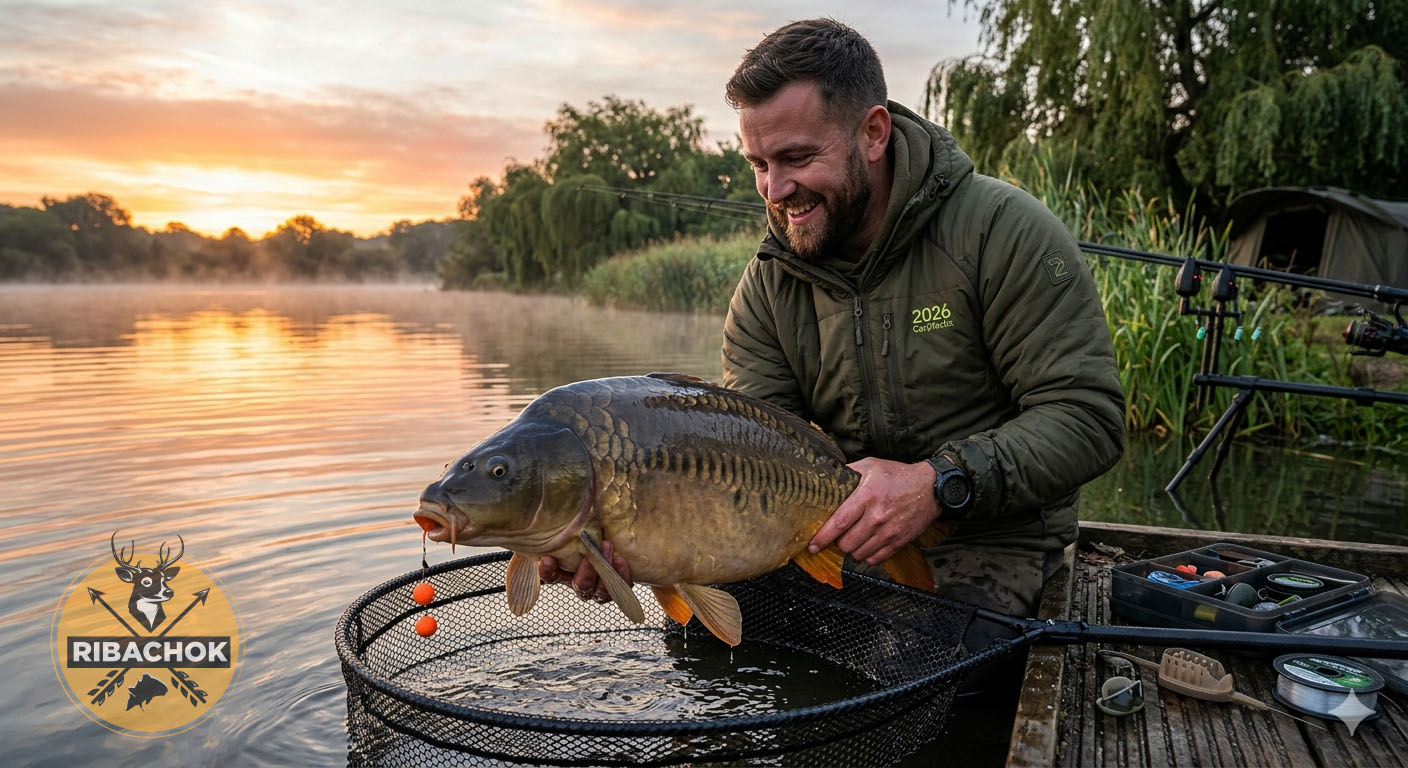
1. The Revolution of the Hair Rig
If you only learn one terminal tackle presentation, it must be the Hair Rig. Invented in the late 1970s, it completely revolutionized carp fishing and remains the foundation of all modern carp tactics. Instead of forcing the bait directly onto the hook, the bait is attached to a small piece of line (the "hair") extending below the hook curve, leaving the hook entirely exposed. Carp feed by vacuuming up debris from the lake bed and filtering it. When a carp sucks in your bait, it inhales the exposed hook seamlessly. As it realizes something is wrong and attempts to eject the food, the exposed hook catches perfectly on the fleshy bottom lip, ensuring a secure hook-hold without deep-hooking the fish.
2. Concentrated Attraction: The Method Feeder
For commercial day-ticket waters and spring fishing, the Method Feeder technique is nearly unbeatable. This tactic uses a heavy inline feeder onto which highly attractive groundbait or micro-pellets are compressed using a specialized mold. Your hookbait (often a small bright pop-up or a piece of artificial corn) is tucked directly into the compressed bait before casting. Once it hits the water bed, the compressed mixture breaks down within
minutes, creating a highly localized, dense pile of food. The carp are drawn to the scent cloud and discover your hookbait sitting exactly in the center of the pile. This forces a rapid competitive feeding response, leading to aggressive, unmistakable bites.
Pro Tip: The Power of PVA (Polyvinyl Alcohol)
When fishing in heavily weeded areas or wild lakes where a traditional feeder might get stuck, switch to PVA bags or mesh socks. Pack the water-soluble bag with dry pellets, crushed boilies, and your rig. Once cast, the bag completely dissolves on the lake bed, leaving a pristine, tangle free pile of bait around your hook without risking any snags during the drop.
3. Choosing the Right Carp Rigs for the Right Situation
Modern carp angling relies heavily on situational rig mechanics. Understanding when to deploy specific rigs will drastically increase your catch rate: The Ronnie Rig (Spinner Rig): Exceptional for presenting low-lying pop-up baits. It offers full 360- degree rotation, meaning no matter which direction the carp approaches the bait from, the hook can spin and find an immediate hold in the fish's mouth. The Chod Rig: The ultimate choice for fishing over "chod"—underwater debris, rotting leaves, or thick silkweed. It features a short, stiff rig that slides along a leadcore leader, ensuring that even if your weight sinks deep into the mud or weed, your bait remains perfectly presented on top of the debris. The Zig Rig: Carp do not always feed on the bottom. In mid-summer or bright winter days, they often suspend in the middle of the water column. A Zig Rig uses a long, buoyant monofilament hooklink to float a small piece of colorful foam at precise depths, intercepting cruising fish.
Summary of Top Carp Tactics & Applications
| Technique / Rig | Ideal Venue Type | Best Bait Match | Primary Advantage |
| Method Feeder | Commercial lakes, high stock density | 2mm pellets, groundbait, mini pop-ups | Creates instant, hyperfocused feeding spot |
| Ronnie Rig |
Clean sand, gravel, or light silt beds |
Buoyant boilies (Pop-ups), wafters | 360° rotation guarantees aggressive hookholds |
| Chod Rig | Heavy weed, deep silt, decaying autumn leaves | Highly buoyant pop-up boilies | Bait never gets buried or hidden in debris |
| Zig Rig | Deep lakes during high atmospheric pressure | Bright foam (yellow/black), dipped in liquids | Targets suspended fish in mid-water levels |
4. Baiting Strategies: Quality and Pre-Baiting
Carp are highly nutritional feeders; they can sense high-protein food sources via chemical receptors. For long-term success, your choice of bait matters immensely. High-quality boilies (boiled paste balls made of fishmeals, milk proteins, and bird foods) are the industry gold standard. If you are targeting a specific wild venue, employ a pre-baiting strategy. Visit the lake or river 2 to 3 times in the week leading up to your session, introducing a few kilograms of boilies and particles (cooked sweetcorn, hemp seed, tiger nuts) into your chosen spot without fishing. This builds the carps' trust, getting them accustomed to feeding heavily on your specific bait in that exact location without any negative association with hooks. When you finally cast your lines on the weekend, the fish will feed with zero caution.
5. Watercraft: Locating the Carp
You can have the most advanced rigs and expensive bait in the world, but if you are fishing where there are no carp, you will catch nothing. Watercraft—the ability to read the water and locate fish—is the most
critical skill of all. Always pay close attention to the wind direction. Carp love to follow a fresh, warm wind because it blows oxygen, warm surface water, and natural food items (insects, vegetation) toward the bank it hits. If a
warm south-westerly wind has been blowing hard for two days, look for the fish on the windward bank. Additionally, scan the water at dawn for telltale signs: bubbling flat spots (showing carp digging into the
silt for bloodworms) or massive, heavy rolls as fish break the surface.
Conclusion
Consistently catching carp isn't about luck; it is about combining meticulous rig mechanics, high-quality nutrition, and keen observation. By mastering the Hair Rig, adapting your presentation to the lake bed using the right rig, and following the natural movements of the fish, you will unlock incredible sport. Treat every session as a puzzle, pay attention to the details, and prepare for some of the most intense battles freshwater angling has to offer.