Fishing is one of the most rewarding ways to connect with nature, find your inner peace, and enjoy the thrill of the catch. However, if you are just starting out, walking into a tackle shop or looking at a body of water can feel incredibly overwhelming.
The gear, the terminology, and the techniques change constantly. To help you skip the frustration and get straight to the fun, we have compiled the Top 15 Fishing Tips for Beginners in 2026. These modern, battle-tested strategies will have you reeling in your first catch in no time.
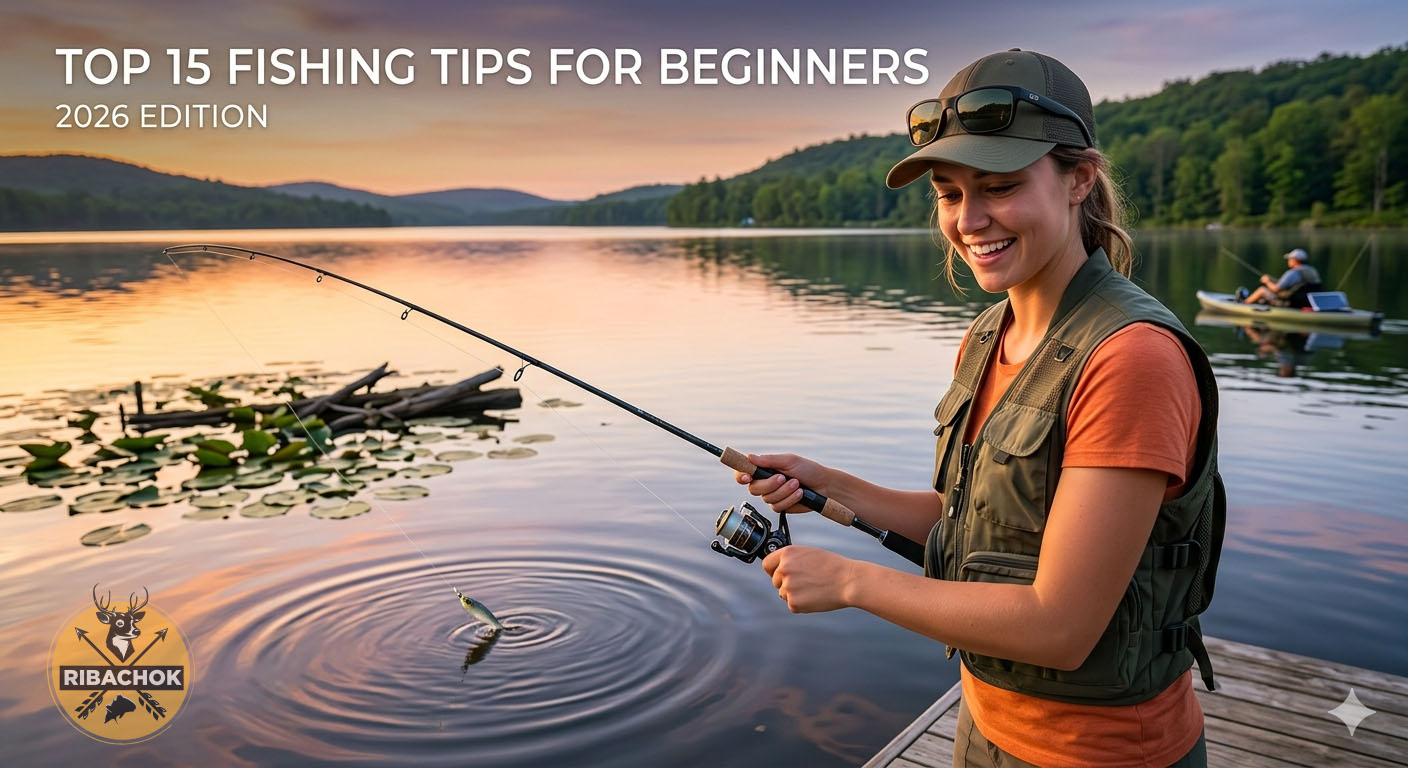
1. Start with a Simple Spinning Reel Combo
Don’t complicate things with advanced baitcasting reels right away. A medium-action spinning rod and reel combo (around 6.5 to 7 feet long) is the absolute best starting point. It is versatile, easy to cast, less prone to line tangles (birds' nests), and perfect for targeting a wide variety of fish.
2. Match Your Bait to Local Prey
Fish are smart, but their instincts are simple: they eat what is readily available. If you are using live bait, match it to the local ecosystem.
- Freshwater: Earthworms, nightcrawlers, and minnows are universal crowd-pleasers.
- Saltwater: Live shrimp or local baitfish will rarely fail you.
3. Master Just Two Essential Knots
You don’t need to know dozens of sailing knots to catch fish. For 90% of your beginner fishing career, you only need two:
- The Clinch Knot (or Improved Clinch): Perfect for tying your line to a hook or lure.
- The Palomar Knot: Incredibly strong, easy to tie, and excellent for braided lines.
4. Leverage Modern Fishing Apps
In 2026, technology is a beginner's best friend. Use apps like Fishbrain or Fishing Points to check local catch reports, log your locations, and understand underwater topography. They also provide real-time updates on local fishing regulations, which is crucial for ethical angling.
5. Fish the "Golden Hours"
Timing is everything. Fish generally avoid the bright, hot midday sun. Your best chances of success are during the "Golden Hours"—just before and during sunrise, and right as the sun sets. The low light makes fish feel safer, pushing them to hunt closer to the surface and the shoreline.
6. Look for Structure, Not Just Open Water
Fish rarely hang out in the middle of a barren underwater desert. They love structure because it offers safety from predators and ambushing spots for food. Cast your line near:
- Fallen trees and sunken logs
- Lily pads and weed beds
- Docks, bridge pilings, and rock piles
7. Keep Your Hands Clean (And Scent-Free)
Fish have an incredibly keen sense of smell. If you have sunscreen, bug spray, gasoline, or even strongly scented food on your hands, that scent transfers to your bait or lure. Wash your hands with mud or unscented soap before handling your gear, or use a specialized scent-masking spray.
8. Don't Cheap Out on Hooks
A budget rod can still catch a massive fish, but a dull, cheap hook will lose it every time. Invest in high-quality, chemically sharpened hooks. Additionally, make sure your hook size matches the size of the fish you are targeting—a hook that is too large will just scare them away.
9. Master the Art of Patience and Stealth
Fish can hear and feel vibrations in the water. Stomping on the bank, slamming boat hatches, or shouting will spook them before you even cast. Approach your fishing spot quietly, blend into the environment, and remember that patience is a fundamental part of the sport.
10. Understand the Weather (Follow the Fronts)
Weather heavily influences fish behavior.
- Before a storm: A dropping barometric pressure often triggers a feeding frenzy. This is the absolute best time to fish.
- After a cold front: Fish tend to become lethargic and move into deeper water. If it’s bright and freezing after a storm, slow down your bait presentation.
11. Practice Catch and Release Properly
If you aren't planning to keep your catch for dinner, treat the fish with respect.
- Wet your hands before touching the fish to protect its protective slime coat.
- Keep the fish in the water as much as possible.
- Use needle-nose pliers to remove the hook quickly and gently.
12. Check Your Local Fishing Regulations
Before you even spool your line, buy a local fishing license and read the current year’s rules. Knowing the legal catch sizes, bag limits, and seasonal bans (such as spring spawning closures) protects wildlife and saves you from massive fines.
13. Keep Your Line Tight
When a fish bites, your natural instinct might be to get excited and let the line go slack. Don't. Keep your rod tip up and maintain constant tension on the line. A slack line gives the fish the perfect opportunity to shake the hook out of its mouth.
14. Choose the Right Line Weight (Monofilament is King for Beginners)
For beginners, monofilament line is highly recommended. It is affordable, knots easily, and has some "stretch," which acts as a shock absorber when a fish fights hard. For general freshwater fishing (bass, trout, perch), a 6lb to 10lb test line is the sweet spot.
15. Keep a Basic First Aid and Safety Kit
Safety should always come first. Always pack polarized sunglasses (which protect your eyes from stray hooks and help you see through the water's glare), a basic first-aid kit for minor cuts, and a dependable multi-tool or pliers.
Conclusion
Fishing is a journey of continuous learning. Don't get discouraged if your first few trips end without a bite—every experienced angler has "skunked" days. By focusing on the basics, respecting the water, and using the right tools, you will quickly build the confidence needed to turn a hobby into a lifelong passion.
Grab your rod, get outside, and tight lines in 2026!