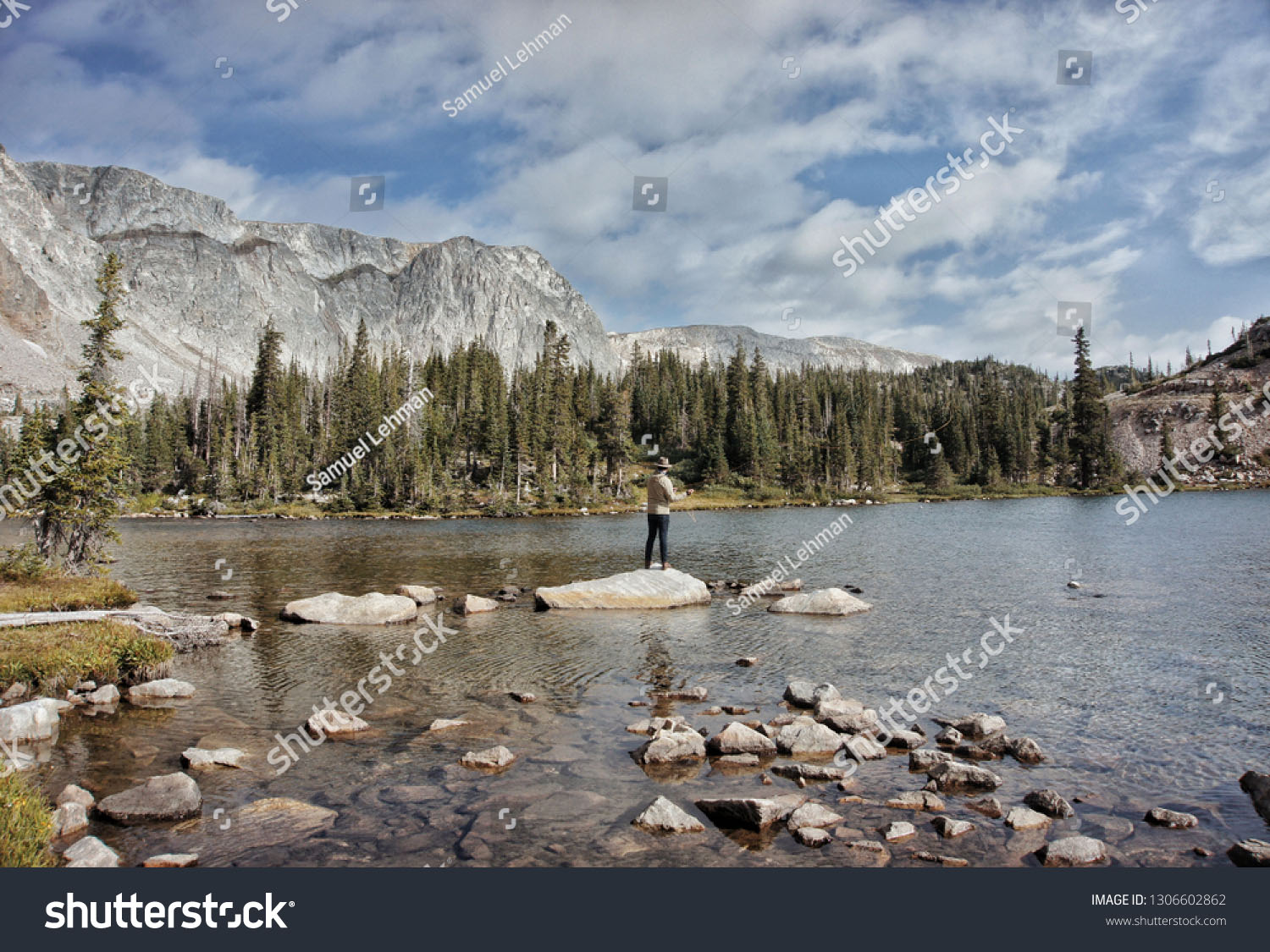
Fishing in America has deep roots that extend back centuries, reflecting a rich tapestry of tradition, adventure, and connection with nature. From the serene lakes of the Midwest to the roaring rivers of the Rockies, fishing enthusiasts across the country cast their lines into diverse waters, seeking the thrill of the catch and the tranquility of the great outdoors.
A Historical Perspective:
The history of fishing in America is intertwined with the nation's development. Native American tribes relied on fishing as a crucial food source, utilizing innovative techniques such as fish weirs and traps. European settlers brought their own fishing practices, introducing angling as both a sport and a means of sustenance.
Over time, fishing evolved from a subsistence activity to a popular recreational pursuit. The late 19th and early 20th centuries saw the rise of organized fishing clubs, with anglers sharing techniques and stories of their exploits. The advent of recreational fishing licenses and regulations further shaped the fishing landscape, promoting sustainability and conservation.
Diverse Fishing Environments:
One of the unique aspects of fishing in America is the vast array of environments that cater to different preferences and skill levels. From the fly-fishing haven of the Montana rivers to the deep-sea angling opportunities off the coasts of Florida, the country offers a spectrum of fishing experiences.
Freshwater enthusiasts can explore the Great Lakes, renowned for their abundance of species like trout, salmon, and walleye. Bass fishing, a beloved pastime, draws anglers to the Southern states' picturesque lakes and rivers, where largemouth and smallmouth bass thrive. The Ozarks and Appalachians provide ideal settings for those seeking a combination of challenging terrain and rewarding catches.
On the saltwater front, the Gulf of Mexico and the Atlantic and Pacific coasts beckon with opportunities for offshore excursions. Deep-sea fishing charters offer the chance to reel in prized catches such as marlin, tuna, and swordfish. In coastal marshes, anglers pursue redfish and speckled trout, showcasing the diversity of saltwater angling experiences.
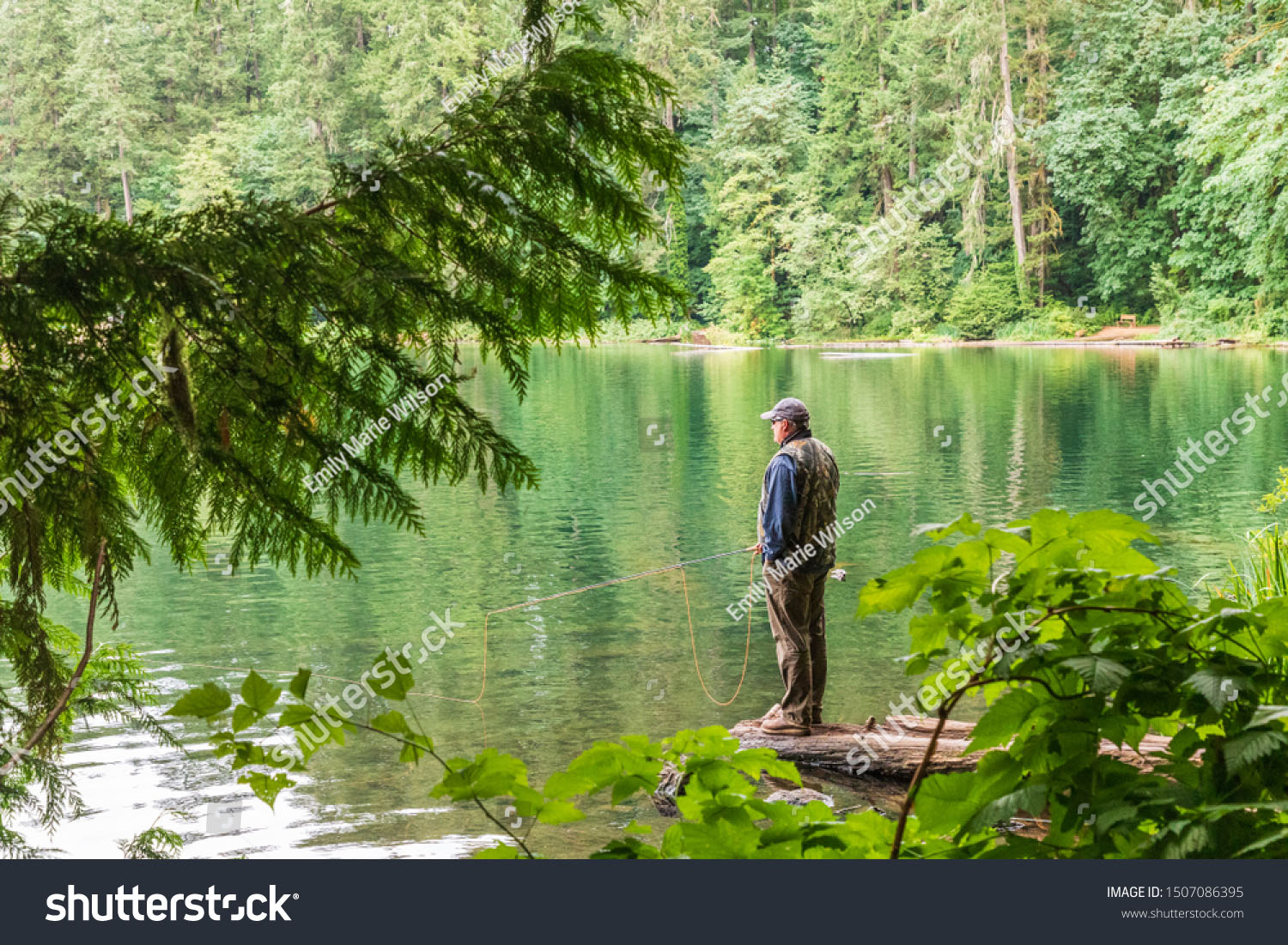
The Cultural Impact: Fishing has become more than just a recreational activity; it's a cultural phenomenon that resonates with people of all ages and backgrounds. Annual fishing tournaments and festivals celebrate the sport, fostering a sense of community among anglers. Fishing-themed television shows and online content have further popularized the pursuit, inspiring new generations to take up the rod and reel.
Conservation and Sustainability:
As the popularity of fishing has grown, so has the awareness of the need for conservation and sustainable practices. Anglers and organizations are actively involved in initiatives to protect fish habitats, implement catch-and-release programs, and advocate for responsible fishing practices. The balance between enjoying the sport and preserving the natural resources that make it possible remains a key focus for the fishing community.
Conclusion:
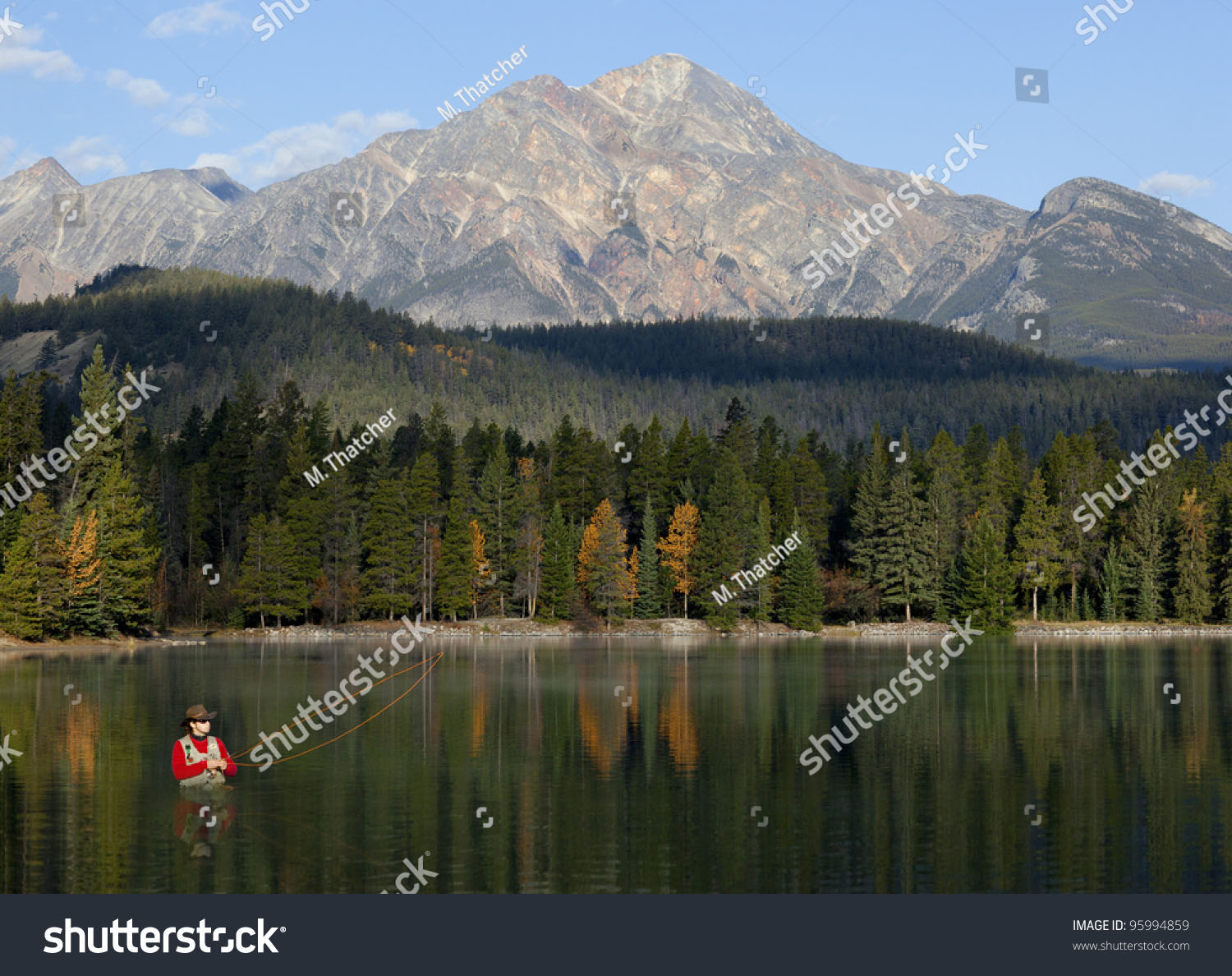
Fishing in America encapsulates a blend of tradition, adventure, and conservation. Whether casting a line in a quiet mountain stream or battling the waves on the open sea, anglers continue to find solace and excitement in the diverse fishing opportunities that the country offers. As the sport evolves, the importance of responsible practices and environmental stewardship remains paramount, ensuring that future generations can continue to experience the thrill of fishing in America's great outdoors.